



Problems below a home rarely announce themselves loudly at first. Subtle changes, like doors sticking or hairline cracks, often signal deeper movement happening out of sight. Understanding what actually takes place during a professional foundation repair helps explain why experienced foundation repair contractors approach the process methodically rather than rushing straight to tools.
Full Inspection to Track Cracks, Shifts, and Pressure Points
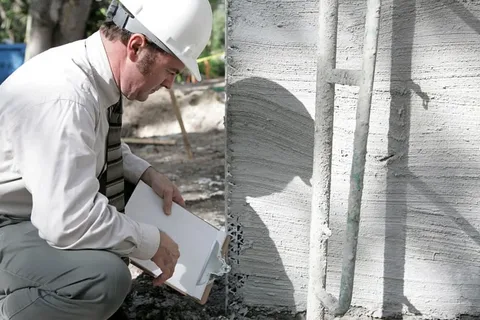
A professional foundation repair always begins with a detailed inspection of the entire structure. Specialists examine interior and exterior walls, floors, crawl spaces, and basements to identify visible cracks, uneven surfaces, and stress points. Measurements are taken to detect subtle shifts that are not obvious to the eye. A foundation specialist near me looks for patterns, not isolated damage, because cracks often tell a story about how pressure is moving through the structure. This inspection establishes a baseline that guides every repair decision that follows, ensuring no underlying issue is overlooked.
Soil Conditions Checked to Understand Movement Causes
Soil plays a major role in how and why foundations move over time. Clay content, moisture levels, and compaction are evaluated to determine how the ground reacts to seasonal changes. Expanding soil can push upward, while erosion or drying can cause settling.
Foundation repair contractors assess these conditions because repairing the structure alone without understanding soil behavior can lead to recurring problems. Soil analysis helps explain why foundation crack repair near me may be necessary and ensures the repair approach addresses the root cause, not just the visible damage.
Repair Plan Mapped Based on Structure and Damage Level
No two foundations fail in exactly the same way, which is why a tailored repair plan is essential. After inspection and soil evaluation, specialists map out a solution based on the home’s construction type, load distribution, and severity of damage. This plan outlines repair methods, placement locations, and expected outcomes. A foundation specialist near me relies on this roadmap to avoid guesswork. The goal is to restore stability while minimizing disruption, using methods that align with how the structure was originally built and how it has shifted.
Support Piers Placed to Lift and Stabilize Weak Areas
Support piers are commonly used when sections of a foundation have settled unevenly. These piers are driven or installed deep into stable soil layers capable of supporting the structure’s weight. Once in place, controlled lifting begins to raise sunken areas gradually. Foundation repair near me often involves this step because it addresses the underlying loss of support. The lifting process is carefully monitored to avoid creating new stress points. Properly installed piers provide long-term stabilization rather than a temporary fix.
Slab Leveling Done to Reduce Uneven Floor Sections
Slab foundations can develop dips or slopes as the ground beneath them shifts. Slab leveling focuses on restoring a more even surface by filling voids or adjusting support points. Technicians use precise measurements to guide this process, ensuring floors are corrected without overcorrection. Foundation repair contractors understand that uneven floors affect more than comfort; they can strain walls, plumbing, and framing. Slab leveling helps redistribute weight evenly, reducing ongoing stress throughout the structure.
Wall Anchors Added to Secure Bowing Foundation Walls
Bowing or leaning walls often result from sustained lateral pressure, commonly caused by soil expansion or poor drainage. Wall anchors are installed to counteract this force and gradually pull walls back toward their original position. These anchors are secured into stable soil outside the foundation and connected through the wall. Foundation crack repair near me frequently includes wall anchors when structural integrity is compromised. Over time, the system stabilizes the wall and prevents further inward movement.
Small Gaps Sealed to Stop Water from Getting Inside
Even small cracks or gaps can allow water intrusion, which accelerates foundation damage. Sealing these openings is an important step in the repair process. Professionals use specialized materials designed to flex with minor movement rather than rigid patches that fail quickly. Foundation repair near me often includes sealing to protect against moisture-related issues. By stopping water entry, the repaired foundation is less likely to experience future erosion, mold growth, or interior damage.
Measurements Taken to Confirm Structure Is Realigned
After repairs are completed, specialists re-measure key areas to confirm the structure has been properly realigned. Floors, walls, and load points are checked against initial readings to verify improvement. These measurements provide objective proof that repairs achieved the intended results. A foundation specialist near me relies on this data to ensure stability goals were met. Confirming alignment helps prevent lingering issues and provides reassurance that the structure is now supported correctly.
Final Walk-through to Explain Repairs and Next Steps
The final walk-through gives property owners a clear understanding of what was repaired and why each step mattered. Specialists explain completed work, show repaired areas, and discuss any recommended maintenance or monitoring. Foundation repair contractors use this time to answer questions and outline what to expect moving forward. This transparency helps owners feel confident about the repairs and informed about protecting their foundation long-term.
Experienced professionals at Kennedy and Sons assess foundation conditions through a detailed, step-by-step process that addresses both visible and underlying concerns. Their team prioritizes identifying root causes before recommending repairs that promote long-term stability. This approach helps restore strength and reliability through well-planned foundation repair solutions.
