



Slot machines are now one of the most popular casino games in the world. They can be found in almost every casino, entertainment venue, and online gaming platform. Their simple gameplay, colorful designs, and exciting potential rewards have attracted millions of players globally. However, while many people know how to play slot machines, fewer know the story behind how these games became so popular. The rise of slot machines did not happen overnight. It was the result of several inventors, companies, and technological developments that helped bring the game into the mainstream.
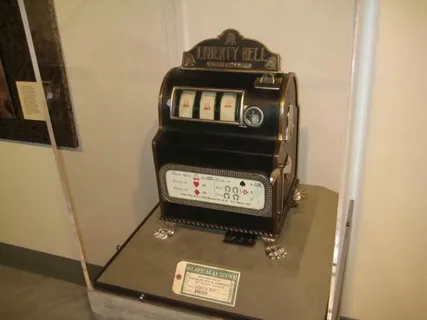
The earliest version of the slot gacor gampang maxwin was invented in the late 19th century. In 1895, a mechanic named Charles Fey from San Francisco created a machine called the Liberty Bell. This device featured three spinning reels and simple symbols such as horseshoes, diamonds, hearts, spades, and a Liberty Bell icon. When three Liberty Bell symbols lined up, the player received the highest payout. This machine is widely considered the first true slot machine and became extremely popular in bars and saloons in California. Charles Fey’s invention laid the foundation for the slot machines that would later spread across the world.
Although Charles Fey invented the original slot machine, he was not the only person responsible for making slot machines widely known. In fact, the true popularity of slot machines came from the companies that later produced and distributed them on a much larger scale. One of the most important companies in this process was Mills Novelty Company. Founded in Chicago in the early 1900s, this company began producing slot machines that were based on Fey’s original design but with improvements and new visual elements.
Mills Novelty Company played a huge role in popularizing slot machines across the United States. They introduced machines with fruit symbols such as cherries, lemons, and plums. These fruit symbols eventually became iconic and are still associated with slot machines today. Interestingly, these symbols were originally connected to flavored chewing gum prizes rather than direct cash payouts. This was a clever strategy because it allowed machines to operate even in areas where gambling laws were strict. By distributing thousands of machines to bars, restaurants, and entertainment venues, the company helped bring slot machines into everyday public spaces.
Another major factor that helped popularize slot machines was the growth of casinos, especially in cities known for gambling entertainment. During the early to mid-20th century, casinos began installing large numbers of slot machines because they were easy for players to understand and did not require dealers or complicated rules. This made them very attractive for both casino owners mahjong slot terbaru 2026 and visitors. Unlike table games that required experience or strategy, slot machines allowed anyone to play instantly.
The development of electromechanical slot machines in the 1960s also played a significant role in increasing their popularity. These machines replaced many mechanical parts with electrical components, allowing for larger jackpots, flashing lights, and automatic payouts. One of the most influential machines during this era was the Money Honey slot machine. It introduced automatic coin payouts and more exciting features, which made the gameplay more engaging for players. This innovation helped casinos expand their slot machine sections dramatically.
In the 1970s and 1980s, technology once again transformed the slot machine industry. Video slot machines began replacing traditional mechanical machines. Instead of physical reels, video slots used digital screens to simulate spinning reels. This change opened the door for creative themes, bonus rounds, and new game mechanics that made slot machines more entertaining than ever before. Casinos quickly adopted these machines because they attracted larger audiences and offered more gameplay variety.
The popularity of slot machines grew even further with the rise of online casinos in the 1990s and early 2000s. Software developers began creating digital slot games that could be played on computers and later on smartphones. Online slots introduced progressive jackpots, interactive animations, and themed games based on movies, mythology, and adventure stories. These features helped slot machines reach players around the world, even in places without physical casinos.
Today, slot machines are considered the backbone of many casinos and online gaming platforms. They generate a large portion of casino revenue and continue to attract both new and experienced players. While Charles Fey is credited as the inventor of the first slot machine, the widespread popularity of slot games is the result of many contributors. Companies like Mills Novelty, casino operators, and modern game developers all played important roles in bringing slot machines to the global stage.
In conclusion, the popularity of slot machines grew through a combination of invention, innovation, and distribution. Charles Fey created the first successful slot machine, but companies like Mills Novelty and later casino developers helped bring the game to a much larger audience. Over time, new technologies such as electromechanical systems, video displays, and online gaming platforms expanded the reach of slot machines even further. Because of these contributions, slot machines have become one of the most iconic and widely played casino games in the world today.
