



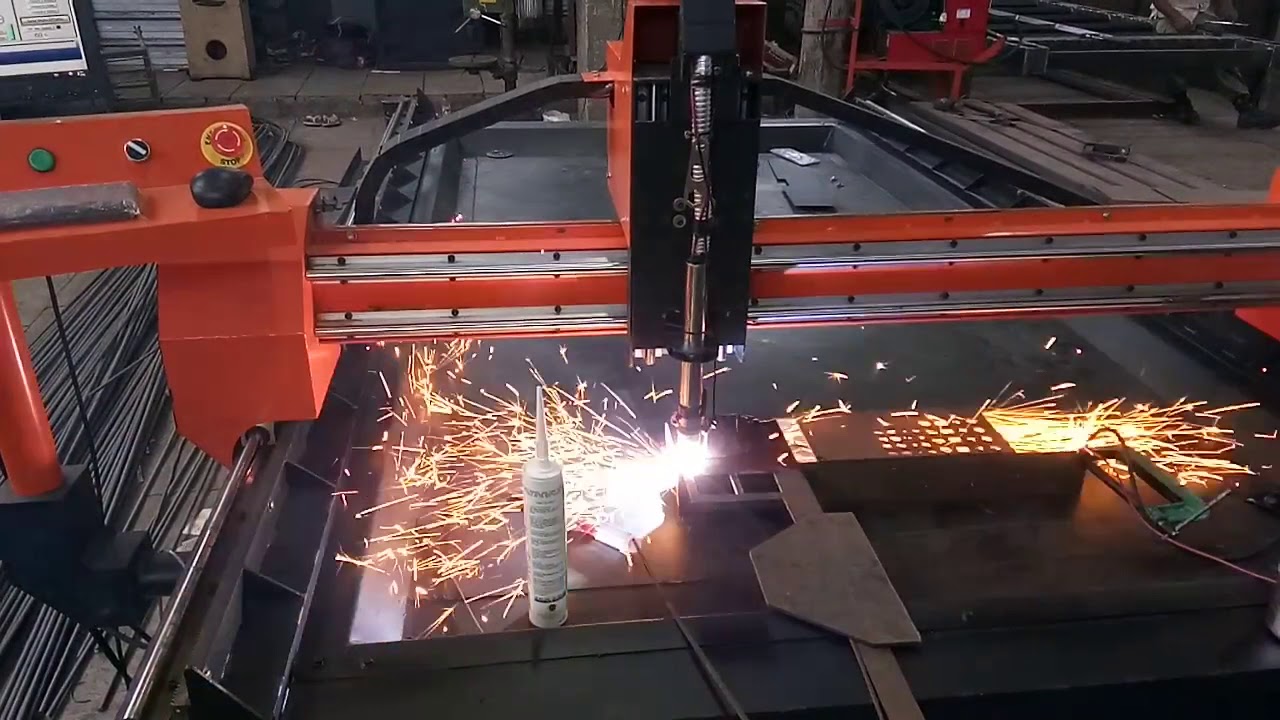
Efficient metal cutting often determines how profitable a fabrication job becomes. Material costs continue to rise, which makes every inch of usable metal important during production. A well-programmed CNC plasma cutting machine helps reduce waste while improving consistency across every cut.
Tight Nesting Layouts Reduce Scrap Between Each Cut
Efficient part placement directly affects how much material remains after cutting. Tight nesting arranges shapes as close together as possible without overlapping, leaving minimal unused space between parts. This method allows a CNC plasma cutter to produce more finished components from a single sheet.
Advanced layout planning reduces leftover strips that cannot be reused. Operators who understand nesting strategies often increase yield without changing equipment or material size. A properly configured plasma cutter benefits from layouts that treat every inch of the sheet as valuable.
Smart Part Rotation Helps Fit More Pieces per Sheet
Part orientation plays a major role in maximizing sheet usage. Rotating shapes at different angles allows irregular components to fit together more efficiently. A CNC plasma cutting machine can follow these rotated paths without affecting cut quality. Strategic rotation often fills gaps that would otherwise remain unused. Operators adjust angles to match contours and edges, increasing the number of parts produced per run. A CNC machine company often integrates this feature into software to improve production output.
Clean Torch Paths Avoid Wasted Movement and Overlap
Torch movement should follow a clear and efficient route across the sheet. Overlapping paths or unnecessary travel time can reduce productivity and increase wear on equipment. A well-programmed CNC plasma cutter follows smooth transitions between cuts. Efficient motion planning minimizes idle time between parts. Clean torch paths also reduce the chance of cutting into previously finished edges. A CNC plasma cutting machine performs best when its movements are direct and intentional.
Consistent Cut Settings Prevent Material Burn Loss
Incorrect heat settings can damage edges and remove more material than intended. Excessive heat may widen the cut path, reducing the size accuracy of each part. A properly calibrated plasma cutter maintains consistent kerf width throughout the job. Stable settings ensure clean edges and reduce the need for rework. Operators monitor voltage, speed, and gas flow to maintain uniform cuts. A CNC plasma cutter produces better results when these variables remain controlled during operation.
Using Remnants from Past Jobs Saves Usable Metal
Leftover pieces from previous projects often contain usable sections of material. Instead of discarding these remnants, shops can incorporate them into new cutting plans. A CNC plasma cutting machine can handle irregular shapes with proper programming. Reusing remnants reduces material waste and lowers production costs. Operators can store and catalog leftover pieces for future use. Many CNC companies near me recognize the value of remnant management as part of efficient fabrication practices.
Accurate Sheet Setup Avoids Edge Waste on Each Run
Proper alignment of the metal sheet ensures that cutting begins in the correct position. Misaligned material can leave unused edges or cause parts to extend beyond the sheet boundary. A CNC plasma cutter depends on accurate setup to maximize usable space. Precise positioning allows the machine to utilize the full dimensions of the sheet. Operators often verify alignment before starting the cut to prevent errors. A CNC plasma cutting machine delivers better yield when setup procedures are followed carefully.
Proper Pierce Points Reduce Damage to Usable Areas
Piercing creates the initial hole where the plasma arc begins cutting. Poorly placed pierce points can damage surrounding material, especially in tight layouts. Strategic placement keeps these marks away from finished edges.
Controlled piercing reduces splatter and heat distortion near important areas. Operators plan entry points to protect the integrity of each part. A CNC plasma cutter performs more efficiently when pierce locations are chosen with precision.
Planning Cut Order Keeps Heat from Warping Sections
Cut sequence influences how heat builds across the sheet. Cutting too many adjacent parts in one area can cause warping or distortion. A balanced cutting order distributes heat evenly across the material.
Thoughtful sequencing helps maintain part accuracy and reduces the need for adjustments. Operators often alternate cutting locations to allow cooling between passes. A CNC plasma cutting machine benefits from planned sequences that control thermal impact.
Software Nesting Tools Help Pack Parts More Efficiently
Modern software plays a significant role in maximizing material usage. Nesting programs analyze part shapes and automatically arrange them for optimal spacing. These tools help operators create layouts that would be difficult to achieve manually.
Automated nesting reduces human error and speeds up production planning. Software integrated with a CNC plasma cutter allows quick adjustments based on material size or part quantity. A CNC machine company often includes advanced nesting features to improve efficiency and output.
Efficient material use often separates average fabrication from high performing operations. Amtec Solutions Group provides advanced CNC plasma cutting machine systems designed to improve accuracy, reduce waste, and support consistent production. Their equipment and expertise help businesses optimize every sheet of metal while maintaining clean and precise cuts. Companies searching for CNC companies near me can benefit from solutions that combine smart software, reliable hardware, and proven cutting performance.
