



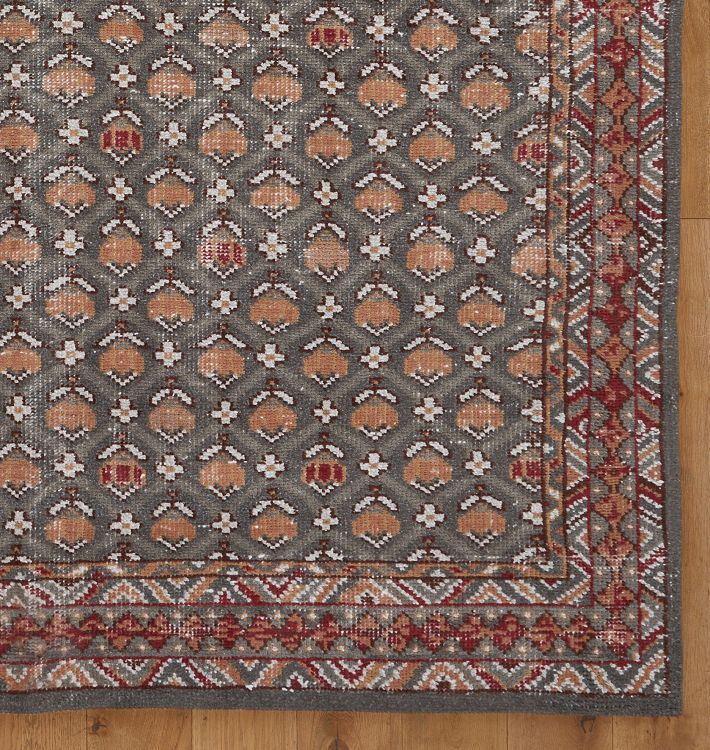
You finally decided to invest in a quality rug. You know you want something made by hand, something that lasts. But then you hit a roadblock: materials. The debate between wool and silk is the most common dilemma for buyers of fine floor coverings.
Both materials have incredible history and value. They both look beautiful in a showroom. However, they perform very differently in a home environment. One is a workhorse, capable of handling muddy shoes and energetic pets. The other is like fine art, meant for admiration and gentle use.
Choosing the wrong material can lead to disappointment—either a ruined masterpiece or a lack of luster where you wanted shine. This guide breaks down the practical differences between wool and silk Hand Knotted Rugs, helping you pick the right piece for your lifestyle.
The Case for Wool Rugs
Wool is the most common material used in high-quality rugs, and for good reason. It comes from sheep, and the quality depends on the breed, the climate the sheep lived in, and when it was sheared.
Why homeowners love wool
Wool is naturally durable. The fibers are elastic, meaning they bounce back when you step on them. This makes wool an excellent choice for areas where people walk frequently, like living rooms or hallways.
Wool also contains a natural oil called lanolin. This oil prevents stains from soaking deep into the fiber immediately. If you spill coffee on a wool rug, you often have a window of time to blot it up before it leaves a permanent mark.
From a design perspective, wool offers a matte finish. It absorbs light rather than reflecting it, which gives the colors a deep, rich saturation.
Maintaining a wool rug
Taking care of wool is straightforward.
- Vacuum often: Dirt acts like sandpaper on rug fibers. Regular vacuuming removes grit before it causes damage.
- Blot spills immediately: Use a clean white cloth. Never rub, as this pushes the stain deeper.
- Professional cleaning: Send it out for a deep wash every 3 to 5 years.
The Case for Silk Rugs
Silk represents the pinnacle of luxury. It is a protein fiber produced by silkworms (specifically the larvae of the Bombyx mori moth). The process to harvest silk is labor-intensive, which contributes to the higher price point.
Why homeowners love silk
Silk fibers are incredibly fine but surprisingly strong (tensile strength). Because the fibers are so thin, weavers can tie intricate, tiny knots. This allows for extremely detailed patterns that look almost like high-definition paintings.
The most noticeable characteristic of silk is its sheen. Silk reflects light. Depending on where you stand in the room, the colors on a silk rug might shift or glow. This luminosity adds a level of sophistication that wool simply cannot replicate.
However, silk is sensitive. It does not handle moisture or heavy abrasion well. It is an investment piece meant for low-traffic areas like a formal bedroom or a wall hanging.
Maintaining a silk rug
Silk requires a gentle touch.
- Avoid water: Water can weaken the fibers or cause dyes to run.
- Limit sunlight: Silk is prone to fading if left in direct sunlight for long periods.
- Specialist cleaning: Never attempt to steam clean a silk rug yourself. Only trust it to a specialist who knows how to handle fine silk.
Comparison: Wool vs. Silk
If you are still weighing your options, this table breaks down the functional differences.
| Feature | Wool Rugs | Silk Rugs |
| Durability | Extremely High. Handles heavy foot traffic well. | Moderate. Best for low traffic or wall display. |
| Texture | Soft and sturdy. Warm underfoot. | Smooth, cool, and luxurious to the touch. |
| Appearance | Matte finish. Deep, saturated colors. | Lustrous and shiny. Changes with the light. |
| Cleanability | High. Naturally resists stains. | Low. Requires professional care for any stain. |
| Price | Moderate to High (depending on quality). | Very High (due to material and labor costs). |
How to Choose the Right Material
When you select a rug, your lifestyle matters just as much as your aesthetic preference. Ask yourself these three questions before you buy.
- Where will the rug go?
If the rug is for an entryway, a family room, or a dining room, wool is your best bet. These areas see moving chairs, shoes, and spills. Silk is better suited for a master bedroom, a formal sitting room where guests rarely walk, or as a decorative accent. - Who lives in your house?
If you have young children or pets, wool is the safer investment. It cleans up easily and hides soil well. Silk is risky in a home with pets, as claws can snag the fine fibers and accidents are harder to clean. - What is your budget?
Silk rugs generally cost significantly more than wool rugs of the same size. This is due to the cost of raw silk and the time required to weave the higher knot counts. If you love the look of silk but need a lower price point, look for “bamboo silk” or a wool-silk blend. A blend gives you the durability of wool base with the visual pop of silk highlights.
Finding Handcrafted Rugs in Delhi
If you want to see the difference between wool and silk firsthand, you need to visit a reputable source. Pictures often fail to capture the texture of wool or the sheen of silk.
For those looking for Handcrafted Rugs in Delhi, The Ambiente offers a unique experience. Located in Sultanpur, their flagship store connects you directly to the source. The brand is backed by Bhadohi Carpets, a parent company with over 30 years of manufacturing history.
The Ambiente does more than sell rugs; they support a network of over 4,000 women weavers. This focus on ethical craftsmanship means every rug supports sustainable livelihoods. Whether you want a bespoke silk piece or a sturdy wool carpet, their team can guide you through the tactile differences.
What to Know When You Buy Carpets Online India
Buying a rug online is convenient, but it requires diligence. You cannot touch the fiber, so you must rely on the seller’s transparency.
When you search to buy carpets online India, check the following:
- Material verification: Ensure the description clearly states “100% Wool” or “Real Silk.” Be wary of terms like “art silk” (artificial silk/rayon) if you are looking for natural fibers.
- Knot count: For Hand Knotted Rugs, the listing should mention the KPSI (knots per square inch). Higher knot counts usually indicate higher quality, especially in silk.
- Return policy: A reputable seller will always offer a return window. You need to see the rug in your own lighting to know if it works.
Making Your Final Decision
There is no “better” material between wool and silk—only the material that is better for your specific needs. Wool offers resilience and warmth, making it the perfect foundation for a busy home. Silk offers unmatched beauty and prestige, acting as a centerpiece for a refined space.
By understanding the strengths of each fiber, you can make a purchase that retains its beauty and value for decades.
